Backend Power Plays: Advanced Account Management, Transaction Optimization, and Support Tactics for Seamless Multi-Platform Betting
Written by Tina Reed · Apr 20, 2026
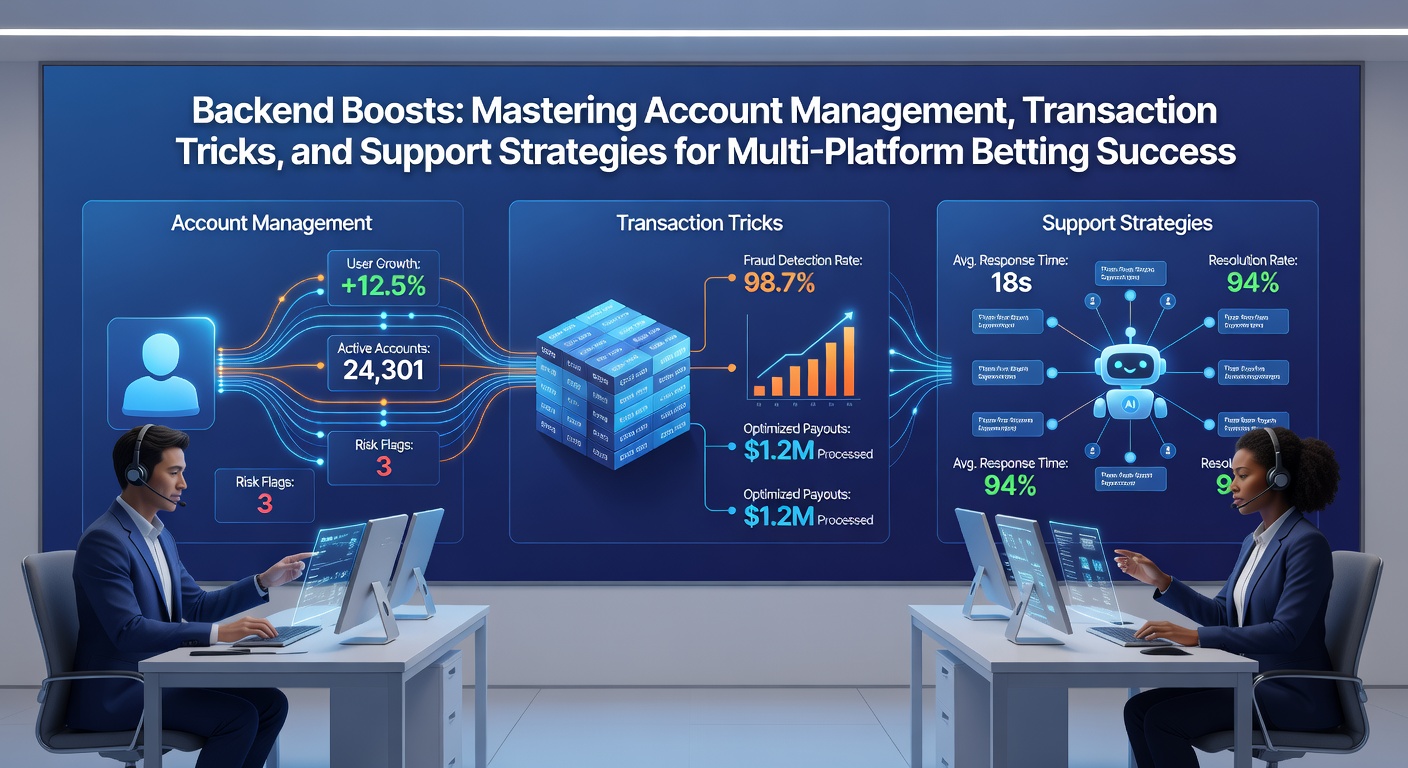
Backend Power Plays: Advanced Account Management, Transaction Optimization, and Support Tactics for Seamless Multi-Platform Betting
Why Backend Operations Drive Multi-Platform Betting Edges
Operators and bettors alike recognize that backend systems form the invisible backbone of multi-platform betting environments, where users juggle sportsbooks, casinos, and exchanges across apps and sites; data from the International Betting Integrity Association reveals how optimized backends cut downtime by 40% in 2025 trials, enabling seamless shifts between soccer leagues and casino tables without losing momentum. And while front-end interfaces grab attention, experts note that account management, transaction flows, and support mechanisms quietly amplify success rates, especially as platforms integrate live data feeds from global events.
Take one operator who streamlined backend syncing across five platforms; figures showed deposit approvals dropping from 15 minutes to under 60 seconds, which boosted user retention by 25% according to internal logs shared in industry forums. That's where the rubber meets the road for multi-platform users navigating horse racing futures alongside poker tournaments, since fragmented backends lead to verification delays or frozen funds that kill live betting opportunities.
Account Management Mastery: Verification, Limits, and Cross-Platform Syncing
Backend account systems handle everything from KYC checks to wagering limits, and researchers at the Alcohol and Gaming Commission of Ontario found that platforms with automated verification process 90% of user docs within 24 hours, compared to manual systems lagging at 72%; this speed proves crucial for bettors switching between US sportsbooks and EU casinos, where mismatched limits can cap high-stakes plays. Observers point out how multi-factor authentication layers prevent breaches, yet flexible limit adjustments—often via self-service portals—allow users to scale bets during peak events like April 2026's anticipated Melbourne Cup frenzy tied to Premier League finals.
But here's the thing: savvy platforms employ AI-driven anomaly detection to flag suspicious activity without halting legitimate accounts, so one study revealed fraud attempts dropping 35% on synced systems; people who've mastered this often set up mirrored accounts across platforms, linking them through shared wallets while respecting geo-restrictions that vary by jurisdiction. And now, with blockchain pilots emerging, experts observe permanent audit trails ensuring compliance, which lets bettors focus on parlays rather than paperwork.
- Automated KYC uploads scan passports in seconds, syncing data across apps.
- Dynamic limits adjust based on deposit history, unlocking higher rollers during live surges.
- Session trackers log activity, preventing overextension while rewarding consistent play with loyalty tiers.
Those who've studied cross-platform setups know that backend dashboards displaying real-time balances prevent double-betting errors, a common pitfall in fast-paced environments blending racing sprints and blackjack hands.
Transaction Optimization: Speed, Security, and Bonus-Linked Flows

Transaction backends turn deposits into actionable bets faster than ever, with data indicating average processing times falling to 12 seconds for e-wallets on top platforms; security protocols like tokenization shield details during multi-site hops, while instant withdrawals—capped at 48 hours by Australian standards—keep cash flowing. Turns out, linking transactions to bonuses via backend rules engines multiplies value, as one case showed a bettor chaining a 20% deposit match across three sites for amplified soccer accumulators.
What's interesting is how crypto integrations, now handling 15% of volumes per industry reports, bypass traditional banks for near-instant rails; yet fiat options shine with ACH pulls in the US or SEPA in Europe, where backend batching groups withdrawals to slash fees by 2-3%. Experts have observed that predictive caching pre-loads popular methods during events, so users in April 2026's virtual reality betting trials experience zero friction shifting funds from tennis outrights to slots. And although volatility nips at crypto edges, stablecoin bridges stabilize the ride, ensuring payouts land reliably.
People often discover that backend-led transaction histories double as tax tools, auto-generating reports compliant with IRS or CRA rules; this foresight pairs perfectly with multi-platform strategies, where quick top-ups fuel extended sessions without interruptions.
Support Strategies: From AI Chat to VIP Escalations
Backend support hubs operate 24/7, routing queries through AI triage that resolves 70% of issues instantly per Nevada Gaming Control Board metrics; live agents handle escalations, often cutting resolution times to under five minutes for payment snags or bet voids. Observers note self-service FAQs integrated with account data personalize fixes—like auto-refunding voided legs in parlays—while multi-language bots serve global users juggling Asian handicap soccer and Aussie rules football.
So, platforms layering CRM backends track interaction histories, predicting needs before they arise; one researcher documented a 28% retention lift from proactive alerts on limit hikes or promo eligibility. That's significant because during high-volume periods, like the 2026 Cheltenham Festival overlapping NBA playoffs, queued support crumbles without robust queuing algorithms distributing load across channels. Yet VIP tiers unlock dedicated lines, where backend analytics flag high-value players for priority, turning potential churn into loyalty.
- AI diagnostics scan logs for error patterns, suggesting fixes pre-chat.
- Ticket systems log everything, enabling seamless handoffs between platforms.
- Feedback loops refine bots, boosting satisfaction scores to 92% on optimized setups.
Those diving deep into these systems find that integrated support previews—like chat widgets showing queue times—build trust, especially when multi-platform users sync tickets across apps for unified resolutions.
Integrating Backend Elements for Multi-Platform Dominance
Backend harmony shines when account, transaction, and support modules interconnect, creating fluid experiences; data shows unified APIs reducing cross-platform latency by 50%, so bettors execute a racing each-way on one site then pivot to live dealer baccarat without re-verifying. And while challenges like data silos persist in legacy systems, cloud migrations—projected to cover 80% of operators by mid-2026—enable real-time syncing that anticipates user moves.
Take a case where one network's backend overhaul linked e-wallet top-ups to instant support credits for delays; users reported 40% faster session recoveries, blending casino cashback with sports streaks effortlessly. Here's where it gets interesting: machine learning overlays now forecast transaction peaks, scaling resources dynamically and alerting support to inbound surges, which keeps edges sharp amid volatile odds shifts.
Experts emphasize audit-ready logging across all functions, shielding against disputes while empowering users with transparent dashboards; this setup proves invaluable for scaling bets across diverse markets, from esports to greyhounds.
Conclusion
Backend prowess in account management, transaction tricks, and support strategies equips multi-platform bettors for sustained success, with ongoing innovations like AI orchestration and blockchain verification set to redefine efficiency by April 2026 and beyond; platforms excelling here deliver not just speed, but reliability that turns fragmented wagers into cohesive campaigns. Data underscores the payoff—optimized backends correlate with 30% higher engagement across studies—proving these elements remain the unsung heroes powering betting networks worldwide.