Capital Pathways in Cross-Vertical Betting: The Role of Funding Diversity in Facilitating Moves Between In-Play Football, Racecourse Markets, and Casino Tables
Written by Willa Vogel · Jul 8, 2026

Capital Pathways in Cross-Vertical Betting: The Role of Funding Diversity in Facilitating Moves Between In-Play Football, Racecourse Markets, and Casino Tables
Transaction pathways in modern wagering environments rely on multiple funding channels that permit users to move capital between in-play football markets, racecourse odds, and interactive gaming tables without significant friction, and this connectivity has grown more pronounced as platforms integrate real-time settlement systems. Data from regulatory filings indicate that electronic wallets, bank transfers, prepaid cards, and digital currencies each serve distinct roles in maintaining liquidity across these verticals, while operators track these flows to comply with anti-money laundering requirements that differ by jurisdiction.
Core Funding Mechanisms and Their Integration Points
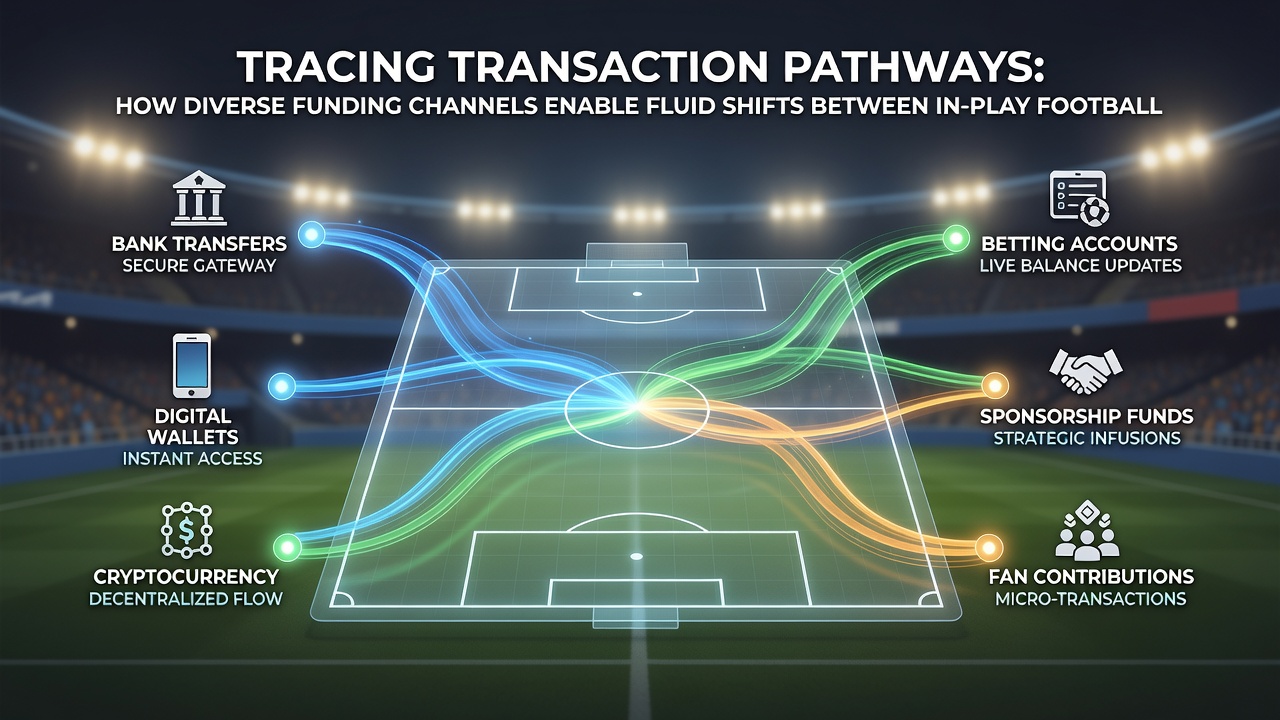
Electronic wallets function as central hubs because they accept deposits from various sources and allow instant transfers to betting accounts, which means a user can fund a football in-play position, shift remaining balance to a horse racing market during the same session, and then allocate to a live dealer table once the race concludes. Bank transfers, although slower for initial funding, provide higher limits that support larger position adjustments across markets, and many platforms now offer instant verification layers that reduce the traditional clearance delays from days to hours. Prepaid options and digital currencies add anonymity layers that appeal to users who rotate frequently between high-volatility in-play football bets and steadier racecourse odds, while casino tables benefit from the same rapid reload capabilities.
Observers note that platform architecture often routes these transactions through shared ledgers, which reduces reconciliation time and lets risk engines monitor exposure across all three verticals simultaneously. In July 2026 several major operators updated their backend systems to handle cross-vertical settlements in under three seconds, a change that coincided with increased mobile traffic during major football tournaments and simultaneous race meetings.
Regulatory Landscape Across Regions
Authorities in multiple jurisdictions require operators to maintain clear audit trails for every funding channel, and this obligation extends to documenting how balances move between football, racing, and casino products. The Nevada Gaming Control Board publishes quarterly summaries that track transaction volumes across different payment types, revealing consistent patterns where wallet-based deposits dominate in-play segments while bank wires appear more frequently in racecourse and table game activity. Canadian provincial regulators similarly publish aggregated data showing that digital currency usage has risen steadily, particularly among users who alternate between soccer markets and interactive tables within single sessions.
Practical Examples of Fluid Shifts
Take one scenario where a bettor deposits via an e-wallet ahead of a football match, places a live bet on the next goal, then uses the partial winnings to back an each-way selection at a racecourse meeting that starts minutes later. Once that wager settles the remaining funds transfer to a blackjack table where side bets require smaller, repeated stakes. Each step occurs through the same account interface, with the platform's ledger updating balances across product categories without requiring separate logins or additional verification steps. Research from the University of Nevada, Las Vegas Center for Gaming Research indicates that such multi-vertical sessions now represent a growing share of total handle, driven by the availability of instant funding options that keep capital active rather than sitting idle between events.
Technology Supporting Seamless Movement
API connections between payment processors and betting engines enable the real-time visibility that makes these shifts possible, and many systems now embed compliance checks directly into the transaction flow rather than running them as separate batch processes. This integration means that when funds move from a football in-play market to a racecourse bet or casino table the same risk parameters apply, reducing the chance of settlement disputes. Data shows that platforms offering unified wallets across verticals experience higher retention rates because users encounter fewer barriers when reallocating capital during overlapping events, such as evening football fixtures that coincide with late racecards and 24-hour casino availability.
Payment method diversification also helps operators manage liquidity during peak periods, when football in-play volumes spike and racecourse payouts occur simultaneously. By routing some traffic through digital currencies and others through traditional bank rails, platforms balance settlement speed against cost, while users benefit from the flexibility to choose the channel that matches their immediate needs.
Conclusion
Tracing these transaction pathways reveals a tightly connected ecosystem where funding channel diversity directly enables movement between in-play football markets, racecourse odds, and interactive gaming tables. Regulatory requirements across different regions continue to shape how operators design these systems, yet the underlying trend toward faster, unified settlement remains consistent. As technology evolves, the capacity for fluid capital shifts across verticals will likely expand further, supported by ongoing refinements in both payment infrastructure and compliance monitoring.