Digital Reward Networks Tying Football Mid-Game Adjustments to Horse Racing Accumulators and Table Game Progressions
Written by Tina Reed · Jul 22, 2026
Digital Reward Networks Tying Football Mid-Game Adjustments to Horse Racing Accumulators and Table Game Progressions
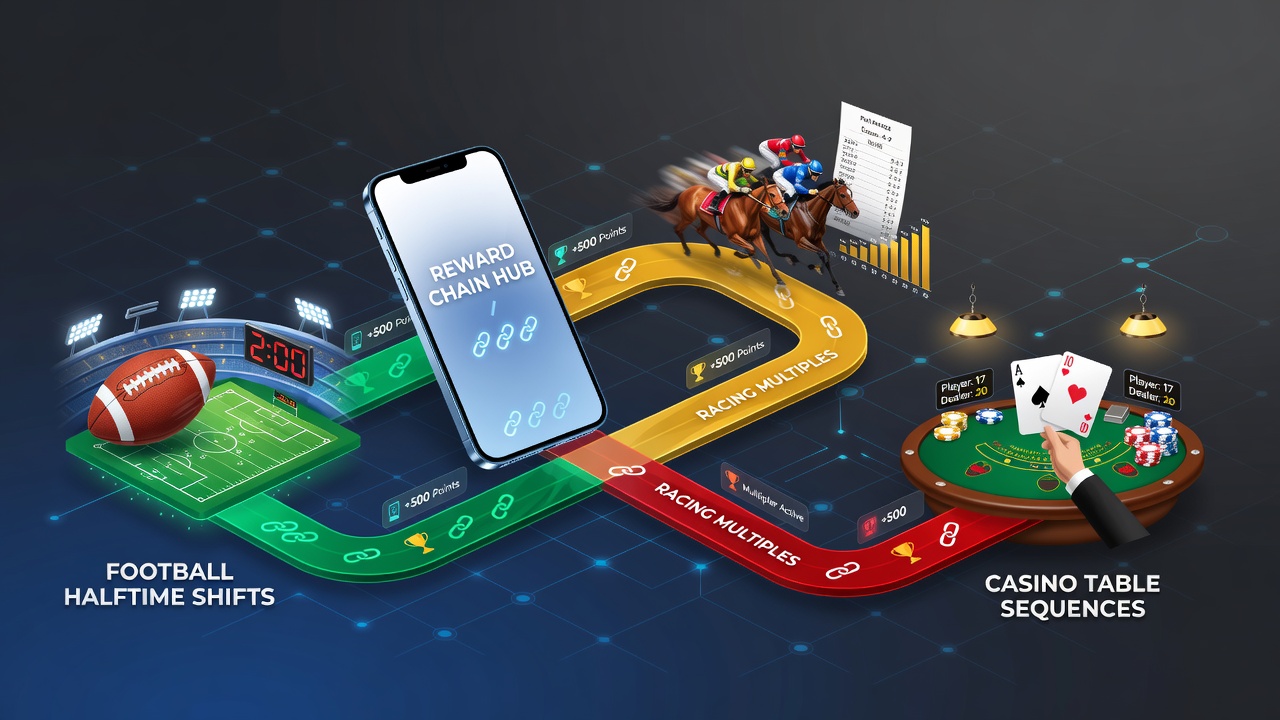
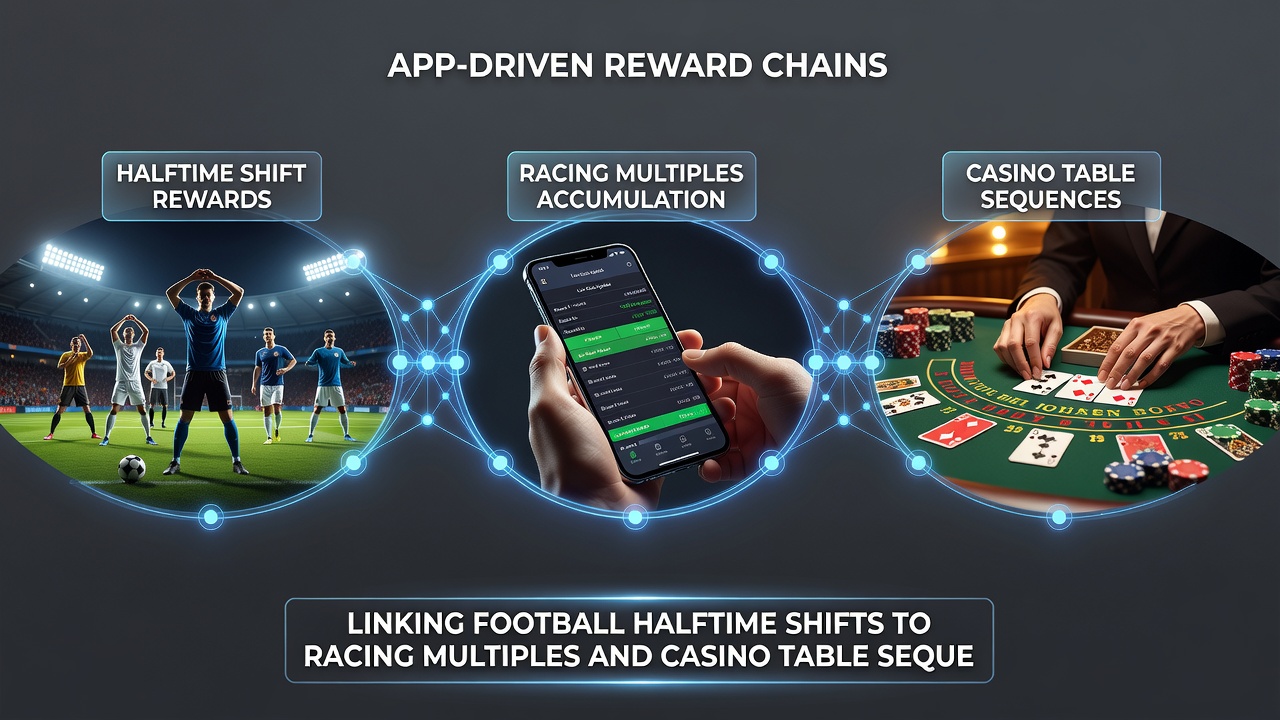
App developers have built integrated systems that link live adjustments during football matches at the half with accumulator structures in horse racing and sequential bonuses at casino tables, creating continuous reward flows across these categories. These platforms track user activity in real time so that outcomes from one segment trigger multipliers or unlocks in others without requiring separate logins or transfers.
Mechanics of Halftime Integration in Football Betting
Football matches generate distinct betting windows around the halftime break where odds shift based on scorelines, substitutions, and tactical changes, and apps now embed these windows into broader reward structures that carry forward to other verticals. Data from platform logs shows that halftime wagers often serve as entry points because they allow users to adjust stakes quickly while the app records the activity toward a chain that activates racing multiples later in the session. Developers use timestamped event triggers so a successful halftime pivot automatically applies a percentage boost to an accumulator placed on upcoming races, while unsuccessful ones still contribute partial progress toward casino sequence thresholds.
Connecting Accumulators Across Racing Events
Horse racing multiples accumulate returns through consecutive selections, and the same apps now route football-derived rewards directly into these structures so that a chain started at halftime can scale the odds on a multi-race ticket. Observers have noted that platform algorithms calculate the combined value in a single ledger, letting users see projected totals update live as each leg settles. This linkage relies on API connections between sportsbooks and racing feeds, which means a halftime result in one league can influence the payout multiplier on a race card scheduled hours later. Reports from industry analytics firms indicate that such cross-vertical routing has increased session lengths because users keep the app open to monitor how earlier football activity affects later racing legs.
Platforms have also introduced sequence tracking for casino table games where consecutive wins or specific hand patterns unlock layered bonuses. These sequences receive input from both football and racing activity, so a user who completes a halftime adjustment and then hits a racing multiple can enter a casino table with an already elevated starting multiplier. The app maintains a unified progress bar visible across all three categories, reducing the need to switch between separate interfaces.
Technical Architecture Behind the Chains
Backend systems rely on event-driven architectures that push notifications and update reward ledgers whenever a qualifying action occurs in any linked category. Developers implement these using microservices that isolate football data streams, racing feeds, and casino RNG outputs while still allowing a central reward engine to aggregate them. In July 2026 several major platforms rolled out updates that shortened the delay between a halftime result and its appearance in a racing accumulator to under three seconds, according to performance benchmarks published by software vendors serving the sector. Security protocols encrypt each segment of the chain so that partial rewards cannot be claimed until the full sequence completes or a user elects to cash out at an intermediate stage.
Regulatory Context and Reporting Requirements
Operators must log every reward transfer across categories to satisfy transparency rules set by various oversight bodies. The Gaming Regulatory Authority of Malta requires detailed audit trails showing how football activity converts into racing or casino credits, and similar standards apply in jurisdictions that license the platforms. These records help authorities verify that bonus terms remain consistent whether a chain begins at halftime or during a later racing leg. Compliance teams routinely test the systems against sample user journeys to confirm that no segment of the chain violates payout caps or eligibility rules.
User Interface Patterns and Accessibility Features
App designers place a persistent chain status panel at the bottom of the screen so users can monitor progress without navigating away from live events. Color-coded segments represent football, racing, and casino stages, with tappable details that expand to show exact conversion rates. Accessibility options include voice readout of current multipliers and high-contrast modes for the progress indicators, features that platform documentation states were added after consultations with user groups. The interface also supports quick toggles that let users pause a chain or redirect remaining value toward a single category if they prefer to focus on one vertical.
Conclusion
App-driven reward chains continue to evolve by tightening the connections between football halftime decisions, racing accumulator outcomes, and casino table sequences through unified ledgers and real-time triggers. The technical and regulatory frameworks supporting these systems emphasize traceability and user visibility while maintaining separation between the underlying event data streams. As platforms refine timing and display elements, the structure of these cross-category flows remains a central focus for operators and oversight bodies alike.