Digital Transaction Networks Enabling Live Bet Adjustments in Soccer Halftime Moments, Race Finishes, and Casino Play
Written by Tina Reed · Jul 31, 2026

Digital Transaction Networks Enabling Live Bet Adjustments in Soccer Halftime Moments, Race Finishes, and Casino Play
Payment networks have expanded their role in live betting environments where participants adjust wagers during soccer halftime intervals, racing sprints, and casino table sessions, and data from industry reports show these systems handle millions of micro-transactions daily across multiple jurisdictions. Observers note that integration of instant deposit protocols allows users to respond to shifting odds without interruption, while withdrawal functions complete within seconds in many cases.
Core Mechanics of Real-Time Payment Integration
Transaction pathways connect user accounts to betting platforms through secure APIs that verify funds in under three seconds according to technical specifications released by payment processors, and this speed supports decisions made in soccer matches where halftime adjustments occur rapidly. Researchers from academic institutions have documented how these networks reduce latency between account funding and bet placement, which becomes essential when odds change within the first minutes of the second half.
Payment gateways also incorporate multi-currency support and regional banking links that accommodate participants across borders, and evidence from regulatory filings indicates transaction success rates above 98 percent during peak live events. Those who study these systems point out that encryption layers protect each transfer while maintaining the velocity required for time-sensitive wagers in racing and casino settings.
Application in Soccer Halftime Adjustments
Halftime periods in soccer matches create concentrated windows for bet modifications, and payment pathways facilitate deposits that fund new positions before play resumes. Figures released by European betting associations reveal that transaction volumes spike by approximately 40 percent during these breaks compared with pre-match periods, and the infrastructure handles the surge through parallel processing channels. Participants often rely on stored payment methods that authorize instantly, allowing focus to remain on team lineups and tactical shifts rather than funding delays.
Support for Racing Sprint Decisions
Racing events, particularly sprints lasting under two minutes, demand payment systems capable of processing last-second odds updates and stake changes, and data compiled by Australian regulatory bodies show that mobile-linked wallets now complete verifications in 1.2 seconds on average during these races. The pathways integrate with trackside data feeds so that bettors receive updated payouts without leaving the platform interface. Observers have noted that seamless transfers between accounts prevent missed opportunities when favorites surge in the final strides.
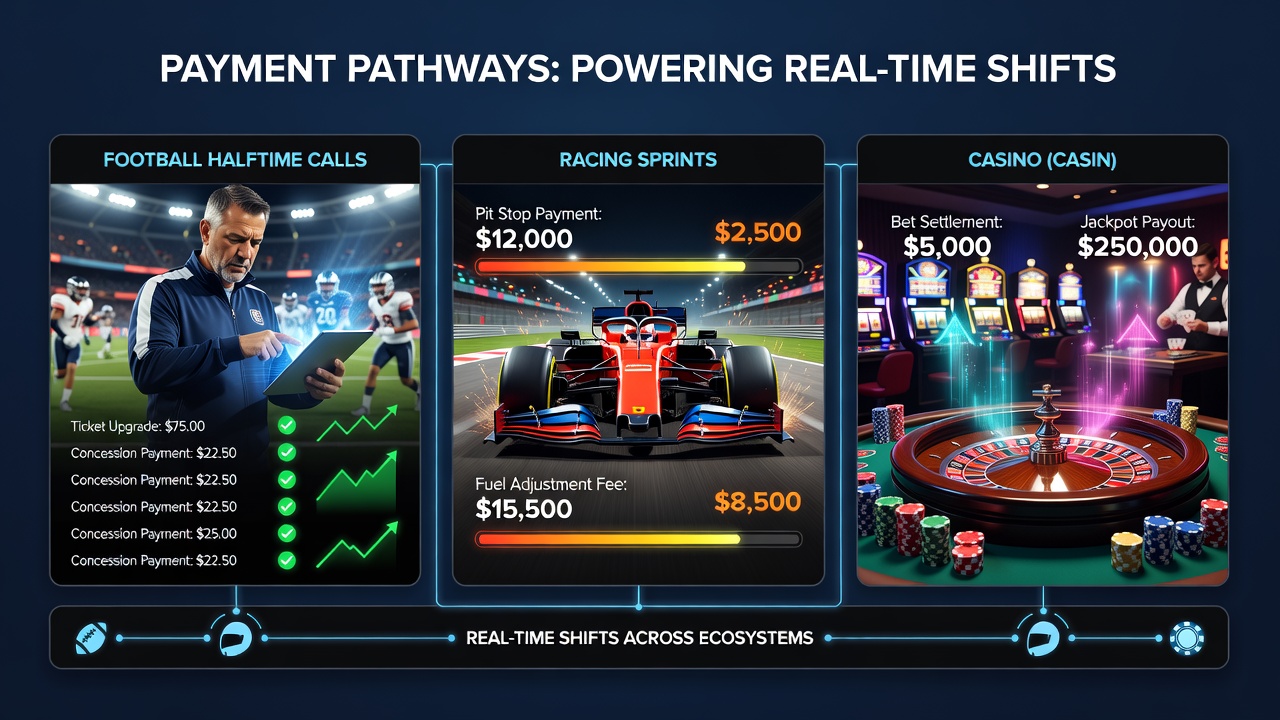
Functionality at Casino Tables
Live dealer casino environments require continuous payment access for players who adjust chip stacks or enter new tables mid-session, and statistics from North American gaming commissions indicate that real-time funding features have increased average session lengths by measurable margins in regulated markets. These pathways support both deposits and instant cashouts that align with table pace, where rounds complete every 30 to 60 seconds. Industry analyses highlight how integrated bonus layers activate automatically upon deposit confirmation, maintaining momentum without separate redemption steps.
Security and Compliance Elements
Regulatory frameworks in multiple regions mandate that payment providers maintain audit trails for every transaction, and compliance reports from Canadian provincial authorities demonstrate that biometric verification combined with tokenization has lowered fraud incidents while preserving speed. July 2026 updates to certain international standards further emphasize interoperability between banking networks and gaming platforms, which allows cross-border participants to maintain consistent access. Those monitoring the sector report that these measures operate alongside responsible gaming tools that flag unusual activity without halting legitimate flows.
Future Developments in Payment Velocity
Emerging protocols focus on further compression of authorization times through blockchain elements and AI-driven fraud detection, and preliminary findings from research partnerships suggest potential reductions to sub-second processing in controlled tests. Such advancements would extend current capabilities already seen in soccer, racing, and casino applications where participants expect uninterrupted service during critical moments. Payment providers continue to refine partnerships with financial institutions to expand accepted methods without compromising the reliability that live betting environments demand.
Conclusion
Payment pathways form the operational backbone that sustains real-time shifts across soccer halftime calls, racing sprints, and casino table runs, and their continued evolution reflects measured responses to both technological capacity and regulatory expectations. Data from varied sources confirm steady growth in transaction volumes alongside maintained security standards, which together support the operational requirements of live betting across these distinct formats.