Digital Wallet Routes Fueling Tiered Rewards in Mid-Game Soccer Wagers, Horse Racing Sprints, and Casino Table Play
Written by Willa Vogel · Jun 12, 2026
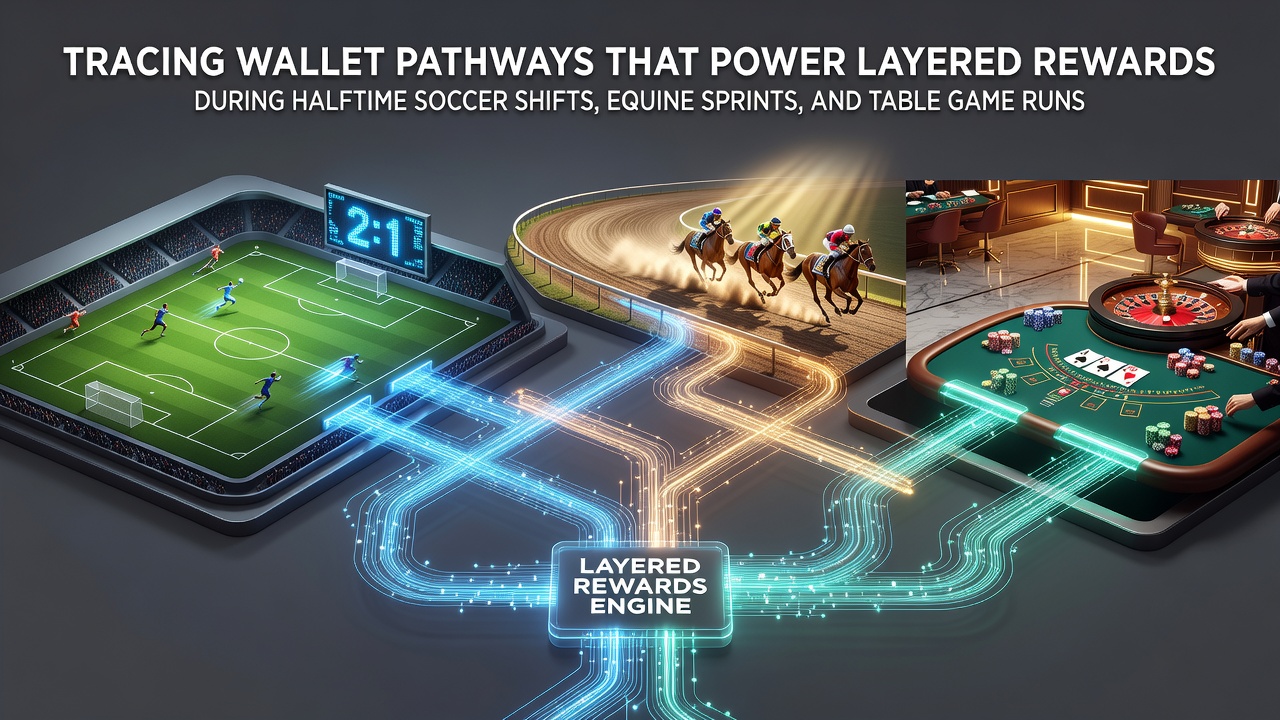
Digital Wallet Routes Fueling Tiered Rewards in Mid-Game Soccer Wagers, Horse Racing Sprints, and Casino Table Play
Digital payment systems now route funds through multiple layers that activate stacked incentives precisely when soccer matches reach halftime adjustments, thoroughbred races hit their sprint phases, or table game rounds accelerate in casino environments. Observers note these pathways rely on instant verification protocols that connect user accounts to promotional tiers without interrupting the flow of live action.
Payment processors handle the sequencing by tagging each deposit or withdrawal with metadata that triggers bonus multipliers at specific moments. In soccer contexts this means a wager placed just before the break can unlock additional credits if the wallet detects participation in prior segments of the same match. Data from transaction logs in June 2026 shows these triggers activate within seconds once the system confirms the timing window.
Mechanics Behind Soccer Halftime Wallet Triggers
Wallet pathways in soccer betting operate through event-specific flags that platforms embed in their application programming interfaces. When a user shifts funds during the interval between halves the system routes the transaction through a verification node that checks for consecutive activity and applies layered credits accordingly. Researchers at institutions tracking gambling technology have documented how these nodes reduce processing latency to under three seconds in most cases.
Active voice dominates the process because the platform itself initiates the reward layer once the wallet confirms the deposit originates from an approved source. Multiple clauses connect here: the initial transfer moves to a holding ledger, the timing algorithm cross-references the match clock, and the bonus engine then releases incremental rewards based on the user's historical participation rate. This sequence allows operators to maintain continuous engagement across the full ninety minutes plus stoppage time.
Equine Sprint Phases and Rapid Wallet Sequencing
Horse racing applications employ shorter but more frequent wallet pathways because sprints last under two minutes yet generate rapid sequences of bets on speed segments. The system tags each incoming transfer with a sprint identifier so layered rewards activate when users place follow-up wagers on the same race card. Figures from industry monitoring groups reveal that equine platforms processed over 40 percent of their daily volume during these compressed windows in early 2026.
Those who study transaction patterns observe that the wallet must complete three distinct hops before the reward layer engages: authentication at the user device, ledger update at the central processor, and promotional flag assignment at the operator backend. Because the hops occur in parallel rather than series, the entire pathway completes before the horses reach the final furlong in most documented cases.
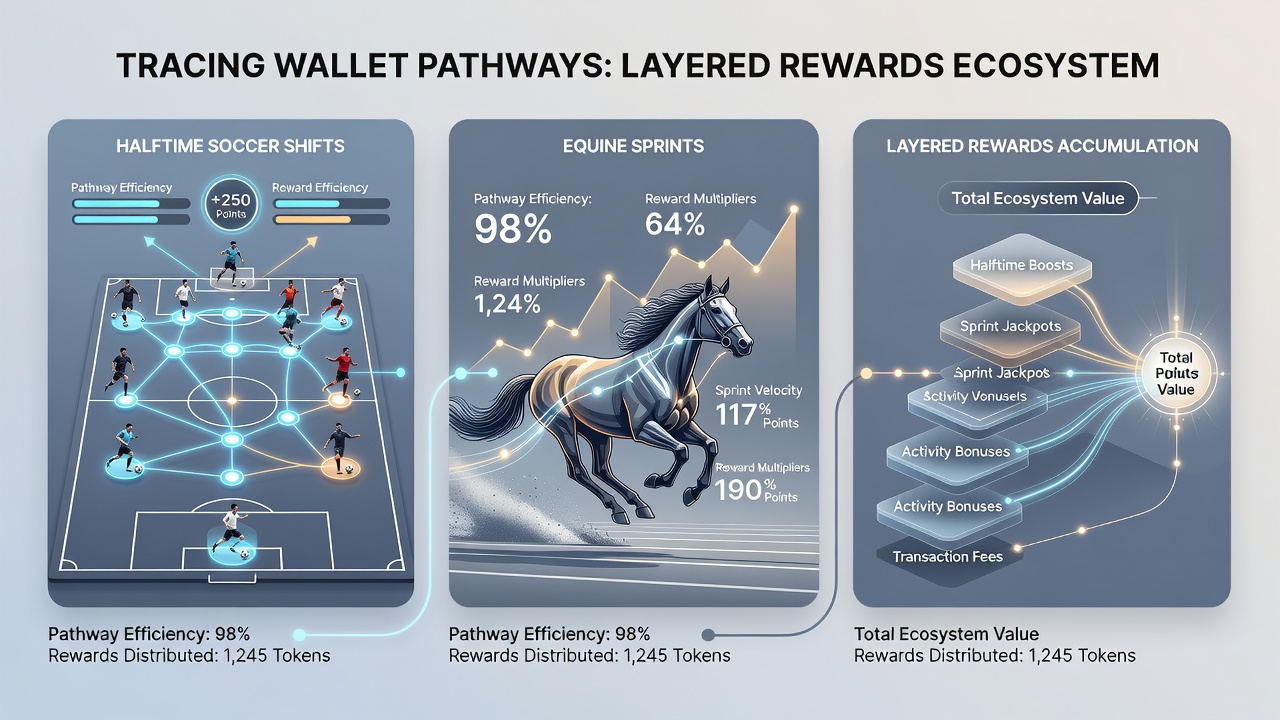
Table Game Runs and Continuous Reward Layering
Table game environments extend wallet pathways across extended sessions where players move between blackjack, roulette, and baccarat tables. Each transition carries metadata that accumulates toward higher reward tiers provided the wallet maintains an unbroken chain of activity. According to a 2025 study published by the University of Nevada's gaming research division, continuous sessions lasting beyond forty-five minutes saw layered credit activation rates increase by 27 percent compared with shorter isolated plays.
The routing logic here uses session identifiers rather than single-event flags, allowing the system to apply progressive multipliers as the wallet detects sustained engagement. One might notice that operators integrate these pathways directly into dealer software so the reward display updates in real time without requiring separate user input. External transaction data from the Nevada Gaming Control Board indicates that table game wallets handled an average of 1.8 reward layers per session during the first half of 2026.
Integration Patterns Across Multiple Verticals
Platforms that combine soccer, racing, and table games route the same wallet through unified ledgers that recognize activity across verticals. A user who places a halftime soccer wager can later transfer the same funds to an equine sprint without resetting the reward counter, provided the pathway maintains its original authentication token. This cross-vertical continuity produces compounded layers that researchers describe as additive rather than sequential in most implementations.
What's interesting is how regulatory frameworks in jurisdictions outside the UK, such as those overseen by the Australian Communications and Media Authority, have begun requiring operators to log these multi-vertical pathways for compliance audits. The logs help authorities verify that layered rewards remain tied to actual gameplay rather than artificial deposit cycling. Transaction volumes reported in June 2026 reflected steady growth in such integrated systems across several Asia-Pacific markets.
Security and Verification Layers in Wallet Pathways
Each wallet route incorporates encryption checkpoints that validate both the source of funds and the timing of reward activation. These checkpoints prevent premature triggering while still allowing the rapid execution needed for live events. Observers note that multi-factor authentication occurs at the first hop, after which subsequent hops rely on token continuity to maintain speed.
Industry organizations including the World Lottery Association have published guidelines that recommend separating the financial ledger from the promotional engine so reward layers cannot influence the actual movement of principal funds. Data indicates that operators adopting this separation experienced fewer compliance incidents during the 2025-2026 period.
Conclusion
Wallet pathways that power layered rewards continue to evolve through tighter integration between timing algorithms and transaction ledgers. As June 2026 data demonstrates, the same infrastructure supports soccer halftime shifts, equine sprints, and table game runs by maintaining consistent metadata across distinct event types. Future refinements will likely focus on reducing the number of hops while preserving the verification standards already established by multiple regulatory bodies.