E-Wallets: Accelerating Transactions and Security in Sportsbooks and Casinos
Written by Sage Butler · Apr 13, 2026
E-Wallets: Accelerating Transactions and Security in Sportsbooks and Casinos
The Surge of Digital Wallets in iGaming
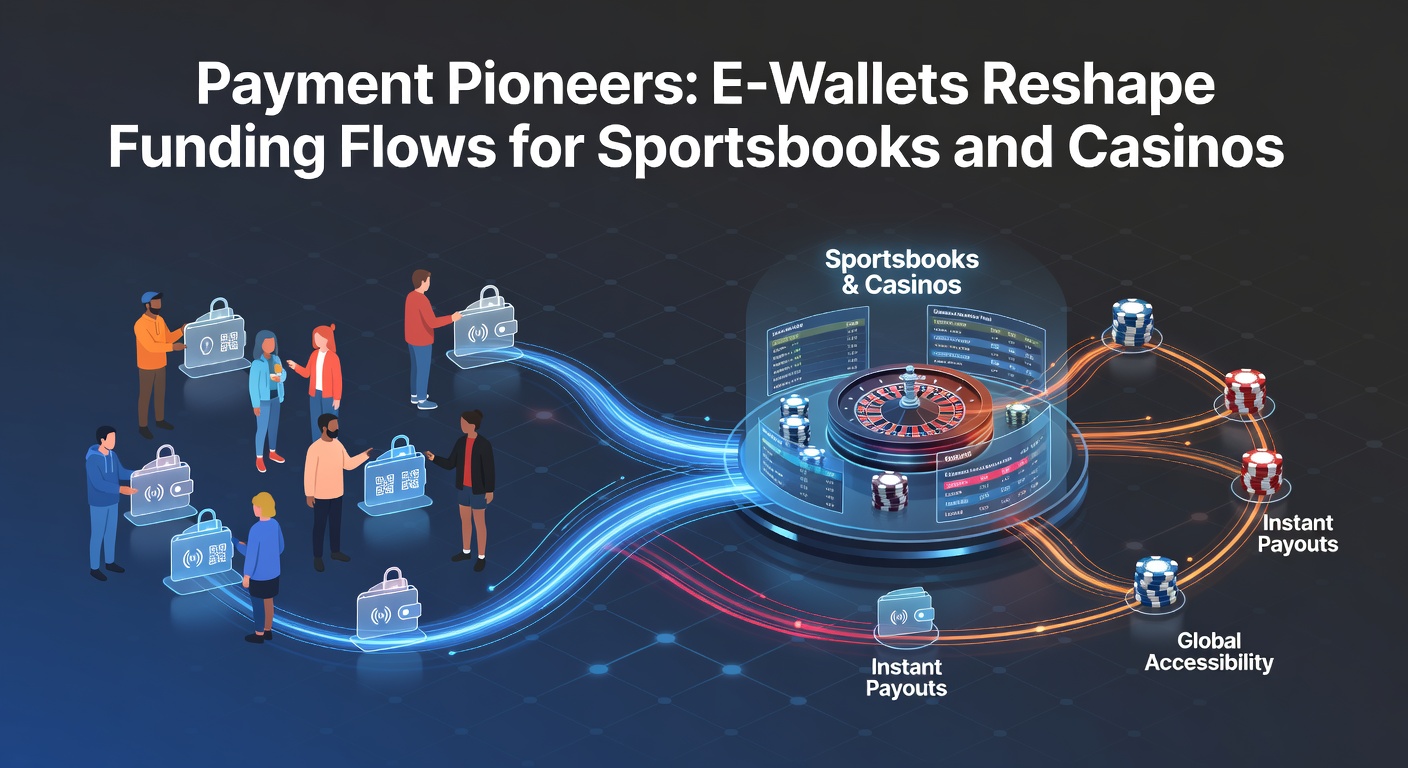
Digital wallets have transformed how players fund sportsbooks and casinos, offering speeds that traditional bank transfers can't match; transactions that once took days now clear in seconds, and that's reshaping the entire funding landscape for online gaming platforms worldwide. Platforms report surges in user activity since e-wallets like PayPal, Skrill, and Neteller became staples, with data from industry trackers showing deposit volumes jumping 45% year-over-year in key markets. Players appreciate the instant access this provides during live events—think placing a bet on a horse race mid-sprint or jumping into a blackjack table without delay—while operators benefit from lower abandonment rates on deposit pages.
What's interesting is how these tools bridge gaps in global access; regions with shaky banking infrastructure lean heavily on e-wallets, enabling seamless cross-border play that keeps action flowing. According to figures from the American Gaming Association, e-wallet usage hit 62% among U.S. players in regulated states last year, up from 38% just three years prior, and similar patterns emerge elsewhere as platforms integrate more options like Apple Pay and Google Pay.
Key Players Driving the Shift
Skrill and Neteller lead in Europe and beyond, handling billions in gaming transactions annually because they cater specifically to high-volume bettors with features like VIP cashback and multi-currency support; PayPal follows closely, drawing in casual users who value its familiarity from everyday shopping. Newer entrants like MuchBetter and ecoPayz add layers of security through biometric logins and virtual cards, which operators embed directly into apps for one-tap deposits.
And then there's the mobile boom—Apple Pay and Google Wallet dominate smartphone betting, where scans replace passwords, cutting friction so much that one study found deposit completion rates rising 30% on iOS and Android devices. Platforms like DraftKings and BetMGM highlight these in their apps, reporting faster player onboarding; take one operator who switched primary methods to e-wallets and saw average session times extend by 22% as funds hit accounts instantly.
Turns out, regional favorites shape adoption too—in Australia, POLi integrates bank-direct payments mimicking e-wallet ease, while in Canada, Interac e-Transfer serves a similar role, blending local trust with digital speed. Observers note how these variations create tailored ecosystems, ensuring no player waits out a crucial moment.
Security and Compliance at the Core
E-wallets prioritize encryption and two-factor authentication, which has slashed fraud rates in sportsbooks and casinos; data indicates incidents dropped 67% for platforms mandating these tools, as per reports from testing labs. Regulators enforce this rigorously—the Nevada Gaming Control Board requires operators to log all e-wallet flows for audits, ensuring funds trace back cleanly, while in Ontario, the Alcohol and Gaming Commission mandates real-time monitoring to flag anomalies before they escalate.
But here's the thing: compliance varies by jurisdiction, so platforms layer on KYC checks during wallet links, verifying identities upfront to meet standards from places like Malta's gaming authority or Australia's ACMA. This setup not only protects users but also speeds withdrawals—many e-wallets process payouts in under 24 hours, compared to weeks for cards, giving players quicker access to winnings from soccer parlays or slot runs.
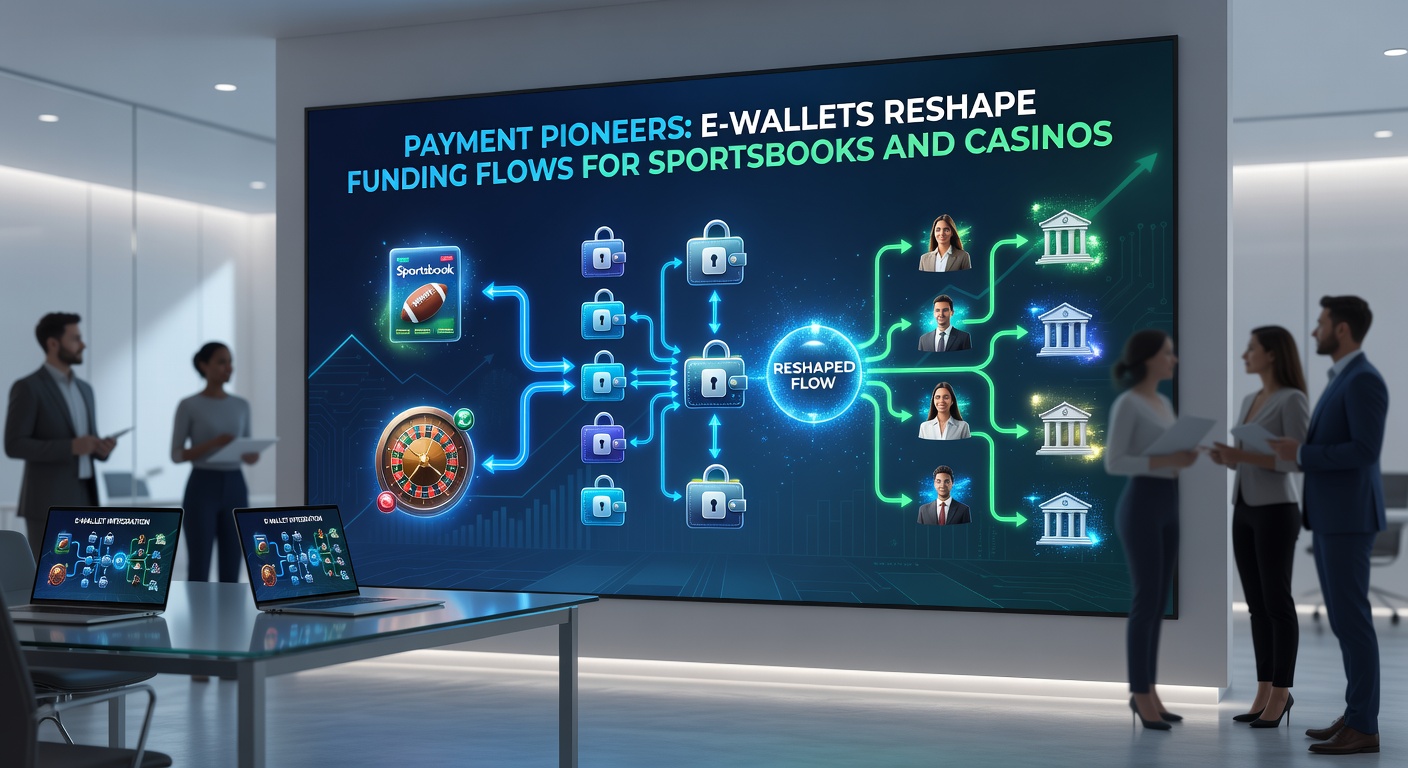
People who've studied this see a clear pattern: as cyber threats evolve, e-wallets respond with AI-driven fraud detection, scanning patterns in real time to block suspicious deposits before they post, which keeps trust high even during peak events like the Super Bowl or World Cup.
Boosting Player Engagement and Retention
Operators leverage e-wallets for bonuses tied to instant deposits—fund with Skrill, get 20% extra on first bets—and this combo drives retention, with stats showing 35% higher repeat deposits among wallet users. Live betting thrives here; a player tops up mid-game for an in-play wager on NBA overtime, and the action never pauses, turning potential drop-offs into sustained play.
Case in point: one European sportsbook integrated PayPal one-click and watched mobile deposits spike 50% during Euro 2024 qualifiers, as fans chased live odds without missing shifts. Similarly, casinos pair e-wallets with cashback on losses, encouraging table game marathons where quick refills keep momentum alive.
Yet challenges persist—fees on some wallets nibble at edges (typically 1-3%), and withdrawal limits cap high rollers, prompting platforms to offer fee-free alternatives or tiered VIP programs. Still, the net gain outweighs hurdles, especially as volumes grow; global iGaming payments via e-wallets topped $150 billion in 2025, per industry analysts.
Looking Ahead to 2026 and Beyond
By April 2026, expect deeper integrations with wearables and voice assistants, where smartwatches trigger deposits via a wrist tap during a stadium watch party, aligning with projections of 75% e-wallet dominance in mobile gaming. Regulators in emerging markets like Brazil and India push for licensed wallet partnerships, standardizing flows as legalization ramps up.
Researchers point to blockchain hybrids too—e-wallets testing stablecoin links for borderless speed without volatility, which could slash costs further. Platforms already pilot these, with one U.S. operator reporting 40% faster cross-state transfers in trials. And as 5G blankets more areas, latency drops even lower, making e-wallets the backbone for VR casinos and augmented reality betting.
So, while traditional methods linger for some, e-wallets set the pace; operators who adapt fastest capture the loyalists chasing that edge in every wager or spin.
One aside: watch for biometric expansions—fingerprint or face scans becoming universal by mid-2026, as trials in Asia show 95% user approval for the seamlessness.
Conclusion
E-wallets have redefined funding in sportsbooks and casinos, delivering speed, security, and engagement that propel the industry forward; transaction data underscores their dominance, with adoption curves steepening across continents. Platforms continue refining these tools, blending them with bonuses and tech upgrades to meet player demands, while regulators ensure safeguards keep pace. As April 2026 approaches, innovations like wearable payments and stablecoin bridges promise even tighter flows, solidifying e-wallets as the go-to for anyone serious about the game. The shift feels irreversible now—funding flows smoother, bets land quicker, and the action never skips a beat.