Loyalty Tier Structures and Spending Dynamics in Mobile Horse Racing and Live Casino Settings
Written by Sage Butler · Jun 29, 2026
Loyalty Tier Structures and Spending Dynamics in Mobile Horse Racing and Live Casino Settings
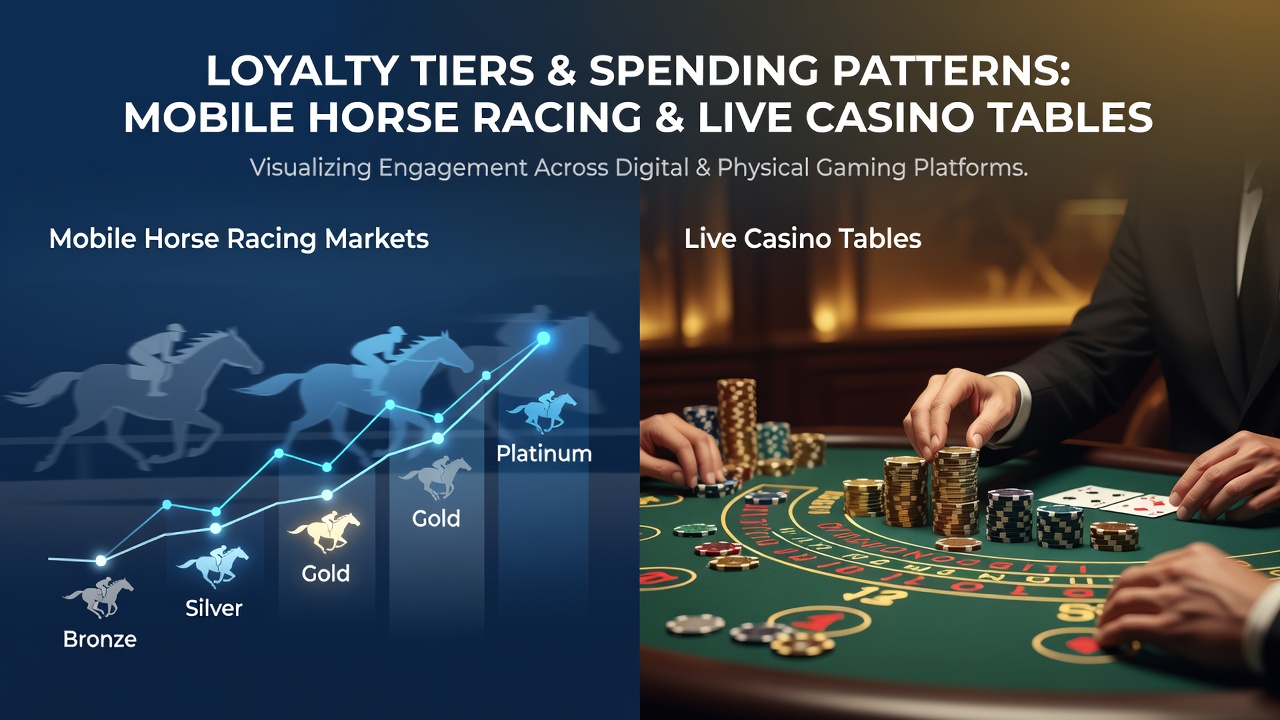
Operators across digital platforms have built tiered loyalty programs that reward consistent activity with escalating benefits, and these structures directly influence how participants allocate funds in mobile horse racing markets as well as at live casino tables. Data from multiple jurisdictions shows that players advance through bronze, silver, gold, and platinum levels by accumulating points from wagers, which in turn unlocks higher cashback percentages, exclusive bonuses, and faster withdrawal processing.
Research indicates that once users reach mid-tier status, their average bet sizes increase because the marginal value of each additional wager rises with the next reward threshold. In mobile horse racing environments this pattern appears most clearly during evening race meetings when real-time odds updates encourage repeated small stakes that accumulate toward the next tier faster than occasional larger bets would allow.
Mechanics of Point Accumulation and Tier Progression
Most programs award one loyalty point for every dollar wagered, yet the rate accelerates at higher tiers so that platinum members earn 1.5 points per dollar while also receiving a separate cashback rate that can reach 15 percent on net losses. This dual incentive structure means that reaching and maintaining elite status requires sustained volume rather than sporadic large plays, which alters daily spending rhythms across both racing and casino verticals.
Observers note that mobile horse racing apps integrate tier progress bars directly into the betting slip screen, keeping the reward meter visible during live odds fluctuations. That visibility correlates with extended session lengths because participants adjust stake sizes in real time to hit daily or weekly point targets before the next race card closes.
Observed Shifts in Horse Racing Bet Volumes
Market reports compiled through June 2026 reveal that silver-tier users increase their monthly racing handle by an average of 22 percent compared with the preceding three months at bronze level. The increase stems from more frequent smaller wagers across multiple races rather than concentration on single high-profile events. Live dealer casino tables show a parallel but distinct pattern where gold-tier players favor higher-limit blackjack and roulette variants once they qualify for reduced house-edge promotions tied to their status.
Take one analysis covering Australian wagering operators that found platinum members allocate 38 percent of their total gaming budget to racing products, up from 24 percent at the silver tier. The same dataset indicates that live casino spend rises most sharply between gold and platinum because table-game cashback applies uniformly across blackjack, baccarat, and poker variants, encouraging cross-product exploration within a single session.
Comparative Patterns at Live Casino Tables
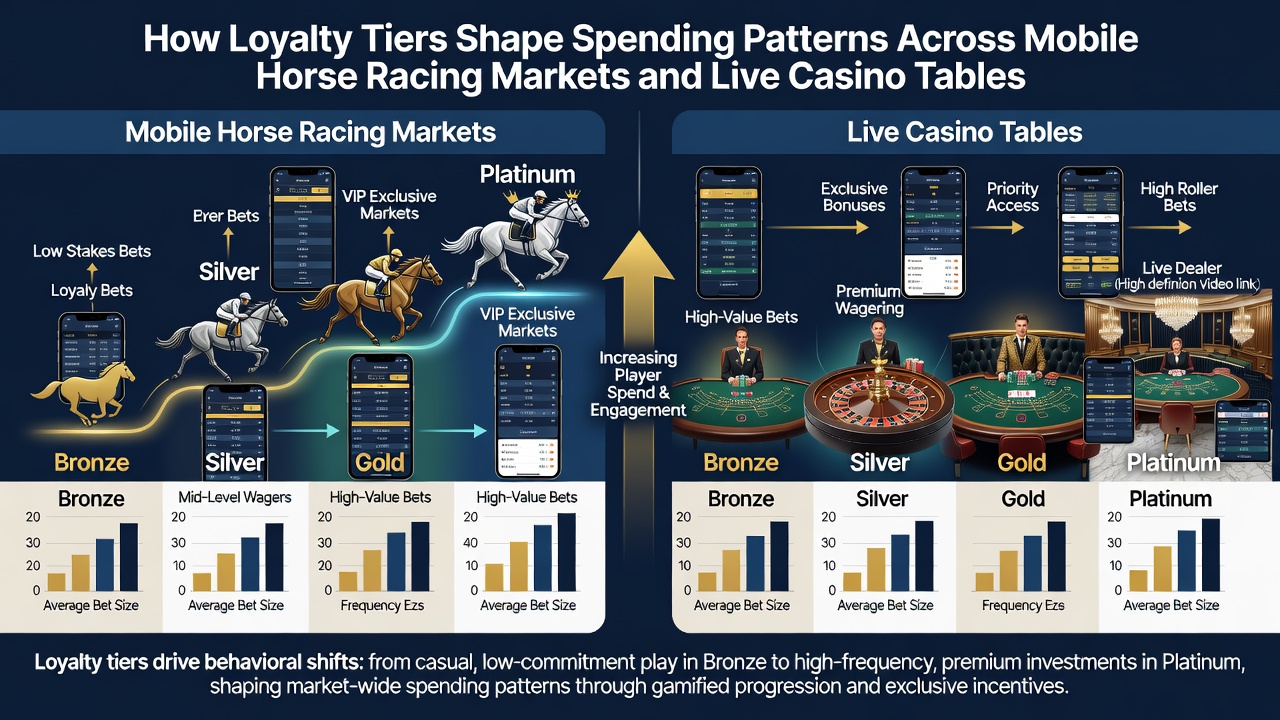
Live casino environments register different behavioral adjustments because table minimums and maximums create natural breakpoints that align with tier benefits. Players who reach gold status often migrate from $10 minimum tables to $25 or $50 minimums where the absolute value of cashback and comps grows faster. This migration shows up in aggregated transaction logs as longer average session durations and higher total turnover per visit.
Canadian regulatory filings from provincial gaming corporations document that loyalty-driven table-game volume grew 17 percent year-over-year through the first half of 2026, with the largest gains recorded among accounts that advanced at least one tier during the period. The filings also note that mobile integration allows players to track both racing and casino points within a single account, which facilitates seamless movement between verticals when one product offers faster progress toward the next reward level.
Cross-Product Migration and Budget Allocation
Industry studies from the University of Nevada, Las Vegas International Gaming Institute demonstrate that participants holding multi-vertical accounts redistribute spend between racing and casino products depending on which vertical currently offers the strongest multiplier toward tier advancement. When racing promotions double points for a specific meeting, mobile handle shifts accordingly; when live casino tables run tier-accelerator hours, table-game drop increases within the same accounts.
Those who've studied account-level data across several operators observe that the net effect is not simply higher total expenditure but more even distribution of risk across product types. Higher-tier players maintain steadier weekly budgets because the perceived value of status preservation encourages consistent rather than volatile staking patterns.
Conclusion
Loyalty tier systems therefore function as structural nudges that reshape both the timing and the size of wagers in mobile horse racing markets and at live casino tables. Progression mechanics tied to cumulative volume produce measurable increases in average handle once players cross each new threshold, while visible progress indicators and cross-product multipliers encourage more balanced allocation between racing and casino activity. Regulatory datasets and academic analyses continue to track these dynamics as operators refine reward schedules in response to observed player behavior.