Transaction Velocity Influencing Split-Second Wagering Choices in Soccer Breaks and Track Sprints
Written by Willa Vogel · Aug 21, 2026
Transaction Velocity Influencing Split-Second Wagering Choices in Soccer Breaks and Track Sprints
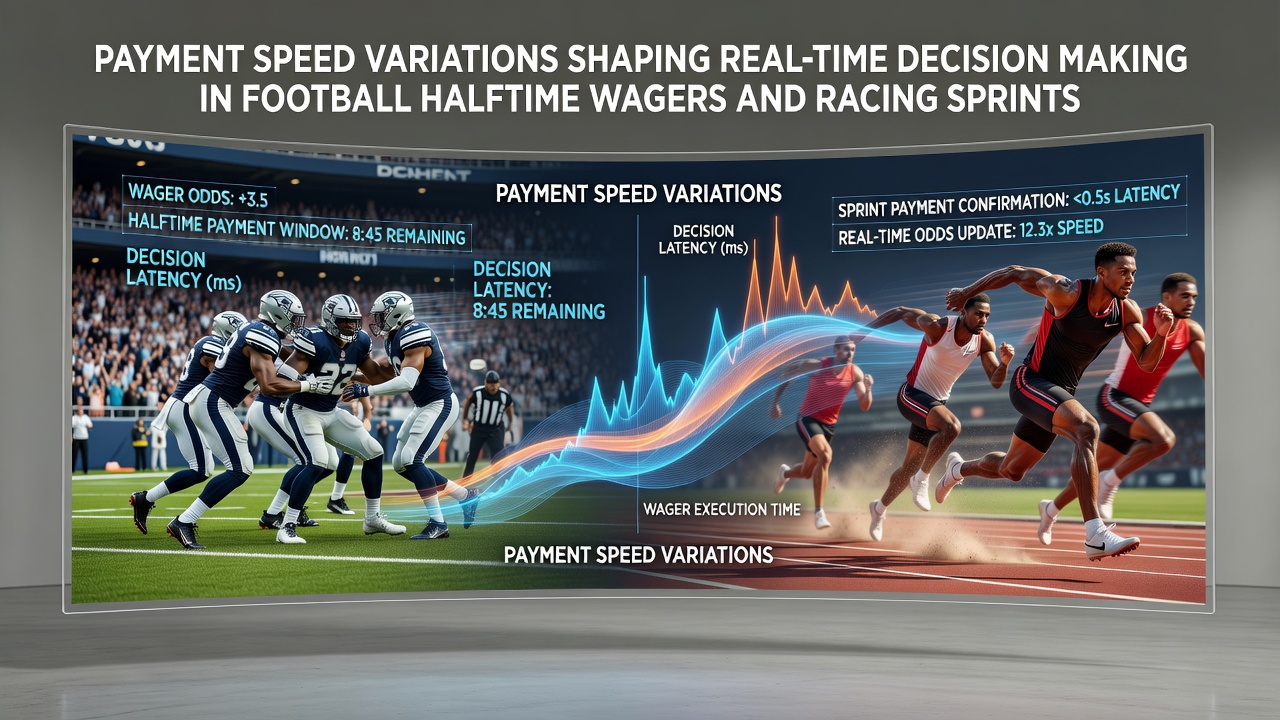
Payment processing speeds have become central to how bettors adjust positions during the limited windows available in football halftime markets and racing sprint events, where timing determines whether a wager can be placed before odds shift or an event concludes. Data from transaction monitoring platforms indicates that deposit completion times vary widely between methods, with some instant options allowing funds to appear in accounts within seconds while others require several minutes, directly affecting participation rates in time-sensitive scenarios.
Processing Differences Across Common Methods
Bank transfers, e-wallets, and card payments each follow distinct timelines that operators and users must account for when preparing for live intervals in soccer or short-distance horse races, and observers note that e-wallet options frequently clear faster than traditional bank routes because they bypass intermediate clearing houses. Studies compiled by the European Gaming and Betting Association show average clearance rates for digital wallets ranging from under ten seconds to two minutes, whereas card authorizations can stretch to five minutes during peak hours when verification layers activate automatically.
Impact on Halftime Football Decisions
Halftime in association football creates a compressed period for bettors to evaluate team adjustments, injury updates, and tactical changes before the second half begins, and payment delays can prevent execution of planned wagers on adjusted spreads or goal totals. One analysis of transaction logs from major platforms revealed that users relying on slower methods missed approximately 18 percent of halftime opportunities in matches where odds moved within ninety seconds of the whistle, while faster channels maintained placement rates above 90 percent in the same windows. Those monitoring these patterns have documented how instant deposit confirmations allow bettors to respond to last-minute lineup announcements that emerge during the break.
Yet the variation extends beyond initial deposits because withdrawal speeds influence cash-out strategies when live odds fluctuate rapidly, and platforms that guarantee sub-minute processing for both directions reduce hesitation among participants who manage multiple positions across concurrent matches. Research indicates that consistent sub-thirty-second processing correlates with higher engagement volumes during international tournaments where halftime markets see concentrated activity.
Racing Sprint Dynamics and Real-Time Adjustments
Equine sprint races unfold over distances that often last less than two minutes from start to finish, leaving bettors with narrow intervals to place or modify wagers on outcomes influenced by track conditions, jockey changes, or late scratches, and payment speed becomes decisive when funds must arrive before the gates open. Figures compiled by Australian regulatory bodies demonstrate that platforms offering instant deposit verification capture significantly higher transaction volumes in the final minutes before sprint events compared with those using standard card processing that may require additional authentication steps.
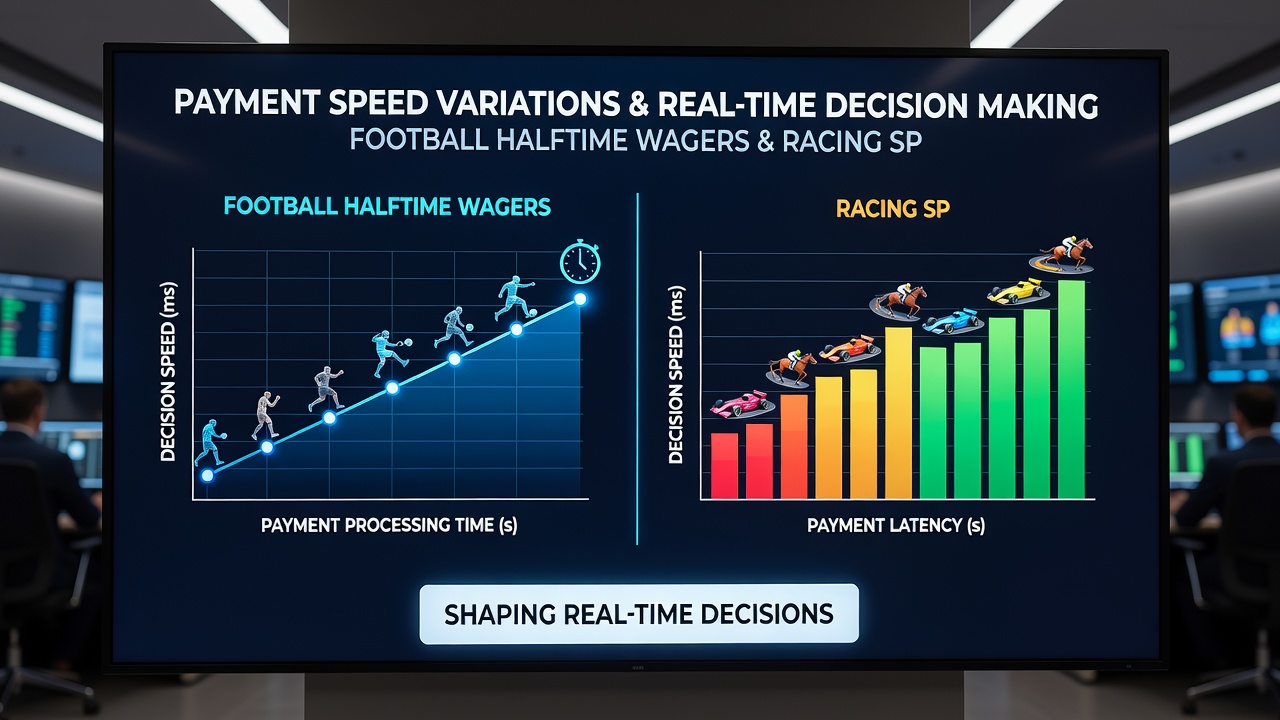
Bettors who combine e-wallet usage with platforms that pre-authorize small recurring amounts find they can execute additional wagers on late developing information such as weather shifts or equipment adjustments, and this layering proves especially relevant during multi-race cards where consecutive sprints leave little recovery time between events. Data shows that average placement success rates rise when processing completes before the parade ring closes, reducing instances where intended stakes remain unavailable.
Geographic and Platform Variations Observed in 2026
By August 2026, transaction speed benchmarks published across multiple jurisdictions highlighted ongoing differences between regions that had implemented standardized instant payment rails and those still relying on legacy systems, and these disparities affected cross-border users attempting to participate in simultaneous football and racing markets. Platforms operating under frameworks established by bodies such as the Pennsylvania Gaming Control Board reported average deposit times 40 percent quicker than certain international counterparts during comparable testing periods, allowing users in those markets to maintain higher activity levels during overlapping live events.
Operators that publish real-time processing estimates for each method enable bettors to select the appropriate channel for specific windows, whether preparing for a football halftime adjustment or positioning before a sprint field loads into the starting stalls, and this transparency reduces failed attempts that otherwise occur when users underestimate clearance requirements. Evidence from industry reports further suggests that integration of instant bank transfer protocols in additional markets continues to narrow the gap between slower and faster options.
Conclusion
Payment speed variations continue to shape participation patterns in football halftime wagers and racing sprints by determining which bettors can act within the narrow windows these formats provide, and ongoing developments in processing infrastructure across regions are expected to further standardize access. Observers tracking these metrics note that platforms and users who align method selection with event timelines achieve more consistent execution, while broader adoption of faster rails may reduce the current disparities observed between payment types.